Car Key Replacement by Vehicle Make — What the Process Actually Involves
Not all replacement keys are created equal, and the procedure varies significantly depending on what you drive. For most General Motors vehicles — Chevrolet, GMC, Buick, Cadillac — keys from roughly the mid-1990s onward contain a transponder chip that must be initialized to the vehicle's PCM. Newer GM models with push-button ignitions require proximity fob programming through an OBD-II interface, a process that sometimes also demands the existing keys be present or that the system be reset entirely. Ford and Lincoln vehicles, particularly those with PATS (Passive Anti-Theft System), need a minimum of two programmed keys during certain programming sequences — something a dealership will tell you takes days, but that our mobile technicians can accomplish on-site. Chrysler, Dodge, Jeep, and Ram vehicles often use SKIM (Sentry Key Immobilizer Module) technology, and late-model RAM trucks with integrated key fobs are among the more involved replacements we handle regularly.
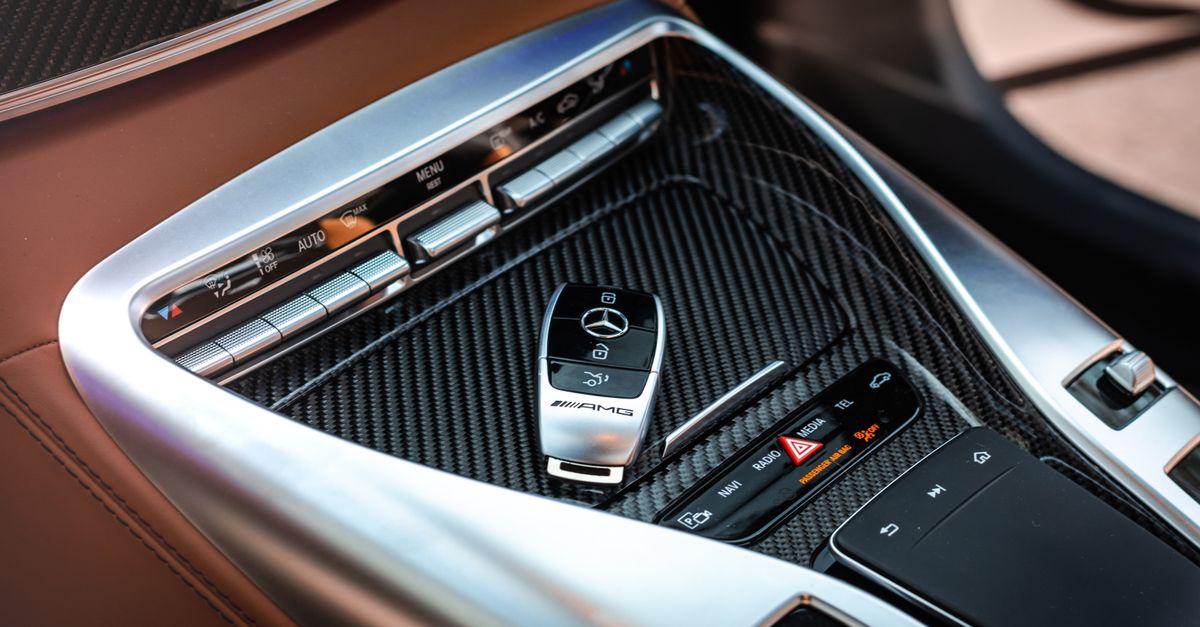
For import makes, the complexity increases further. Toyota and Lexus vehicles with Smart Key systems require dealer-level programming equipment that our mobile units carry. Honda and Acura transponder systems, Hyundai and Kia push-to-start fobs, Nissan's NATS (Nissan Anti-Theft System), and Volkswagen or Audi systems with encrypted immobilizers all demand brand-specific software alongside precision key cutting. European makes like BMW and Mercedes-Benz have layered security that requires both the correct key blank and authenticated programming — our technicians are experienced with these vehicles and carry the appropriate hardware. If you are unsure what type of key your vehicle uses, call us at (000) 000-0000 and we will identify it from your VIN before we ever roll a truck.