What Makes Push-to-Start and Smart Key Programming Different from a Standard Key Copy
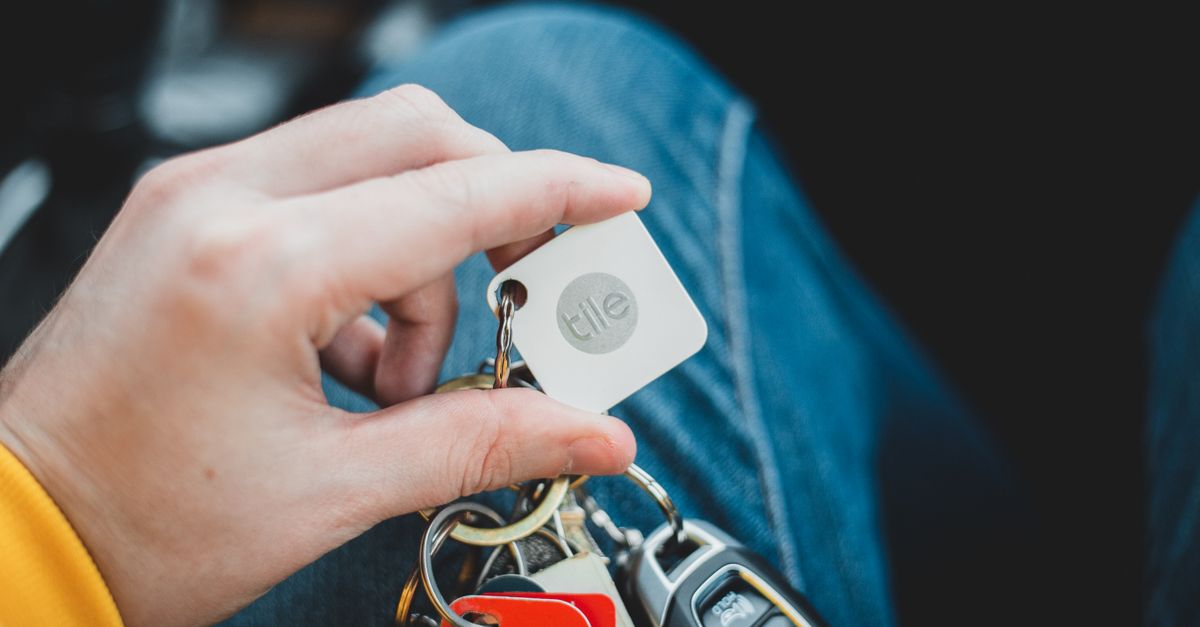
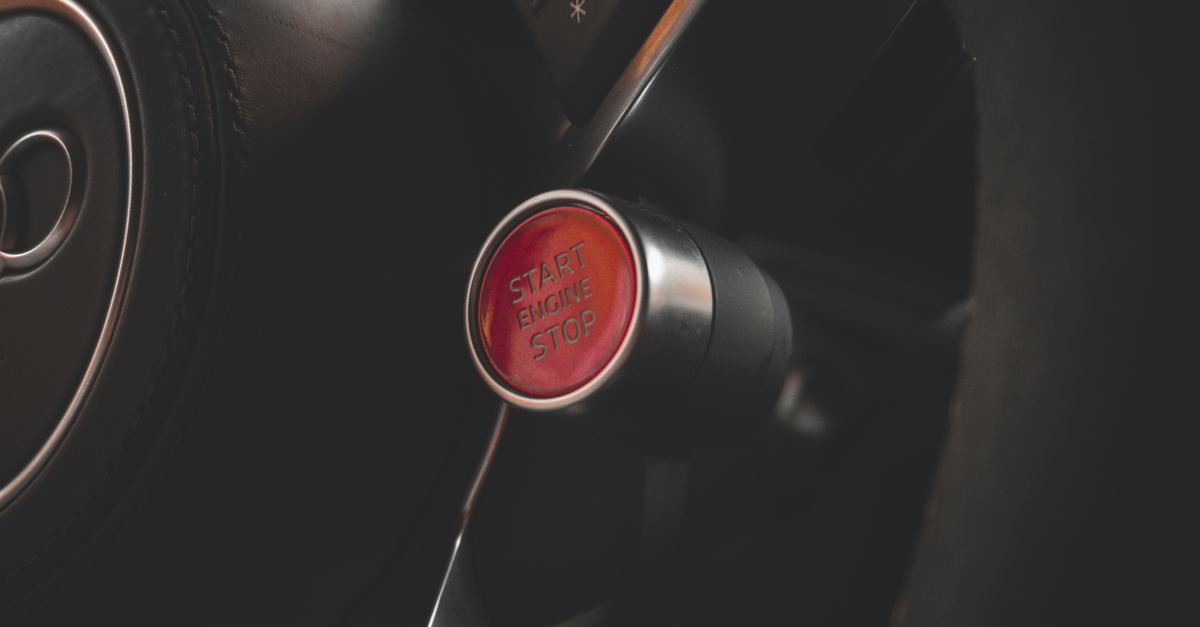
A traditional key works mechanically — the cuts on the blade align with pins inside a lock cylinder, and the door or ignition opens. A proximity fob or smart key adds a second layer: a transponder chip embedded in the key must broadcast the correct rolling code to the vehicle's immobilizer system before the engine will start. If that handshake between the key and the car's ECU fails, the engine stays locked regardless of whether the physical blade turns in the ignition. This is true even on vehicles that retain a hidden emergency blade inside a smart key casing.
Programming that transponder requires specialized diagnostic software tied to specific vehicle makes and models, not generic hardware available at a retail counter. Our mobile technicians arrive equipped with professional EEPROM programmers, OBD-II-linked key programmers, and manufacturer-specific software to write the correct code sequence to a new key fob — all performed at your location, whether that is a parking garage near the New Brunswick train station, a residential driveway in the Boyd Park neighborhood, or a commercial lot off Route 1.